Battle Royale Competitions with Prizes
Getting Started: Understanding Battle Royale Tournament Formats
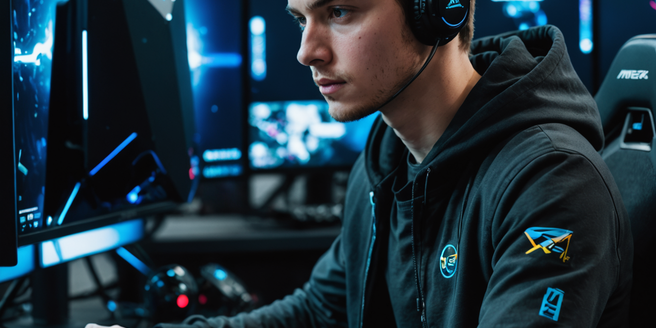
Battle royale tournaments come in various formats designed to test different skill levels and playstyles. Solo competitions pit individual players against each other, requiring exceptional aim and decision-making. Duo tournaments pair two players, emphasizing teamwork and communication. Squad-based events involve four-player teams, demanding coordination and strategic planning. Each format has unique rules regarding elimination criteria, zone mechanics, and scoring systems. Understanding these distinctions helps players choose competitions matching their strengths. Many tournaments employ point-based systems rewarding eliminations, placements, and survival duration. Others use bracket-style elimination rounds. Beginning competitors should study format specifications before entering, as rules vary significantly between platforms and organizers. Familiarizing yourself with scoring systems and tournament structure ensures better preparation and competitive performance.
Prize Pool Distribution: How Rewards Are Allocated
Prize pools in battle royale competitions are distributed based on final placements and performance metrics. Most tournaments allocate largest rewards to top finishers, typically the first ten to fifty positions depending on participant count. Some competitions use point-based systems where eliminations and survival time contribute to earnings. Professional leagues often feature guaranteed minimum payouts for participating teams. Organizations typically deduct operational costs before distributing prizes. Transparency in prize allocation builds community trust and attracts competitors. Different platforms implement varying distribution models; some emphasize winner-take-most approaches while others provide broader reward tiers. Seasonal tournaments may accumulate prize pools from multiple events. Understanding distribution mechanics helps players assess tournament value before competing. Researching historical payout data from reputable organizers ensures informed participation decisions and realistic earning expectations.
Popular Platforms Hosting Competitive Battle Royale Events
Leading gaming platforms host extensive battle royale competitive ecosystems. Fortnite maintains Epic Games’ official tournaments and creator cups, offering substantial prize pools regularly. PlayerUnknown’s Battlegrounds features PUBG Global Championship with international competitions. Apex Legends hosts competitive leagues through EA Sports partnerships. Call of Duty Warzone sponsors esports events through Activision. Valorant’s competitive scene continues expanding with developer-supported tournaments. Third-party platforms like ESL, MLG, and BLAST facilitate independent competitions across multiple games. Twitch and YouTube Gaming provide streaming infrastructure for community tournaments. Discord communities coordinate grassroots competitive events with varying prize pools. Regional qualifiers on established platforms often serve as pathways to international competitions. Emerging battle royales introduce new competitive opportunities regularly. Researching platform-specific tournament calendars helps players identify opportunities matching their skill levels and availability.
Training Tips to Improve Your Competitive Performance
Consistent practice forms the foundation of competitive battle royale success. Dedicate specific training sessions to aim improvement using aim trainers and practice modes. Study professional player strategies through tournament broadcasts and educational content. Analyze your gameplay recordings to identify recurring mistakes and positioning errors. Communicate effectively with teammates during scrimmages to develop synchronization. Master map knowledge including optimal landing zones, loot routes, and rotations. Participate in community tournaments to gain competitive experience before entering major events. Maintain physical fitness and mental alertness through regular breaks and healthy habits. Join competitive teams for structured practice against skilled opponents. Watch pro streams to understand meta-game developments and tactical innovations. Adapt your playstyle based on patch changes and tournament-specific rule modifications. Track performance metrics to measure improvement objectively. Balance grinding with recovery to prevent burnout and maintain peak performance levels.
Tournament Registration: Finding and Joining Competitions
Finding appropriate battle royale tournaments requires strategic research and planning. Major gaming websites like Battlefy, ESL, and Toornament host searchable tournament databases with filters for skill level, game mode, and prize pools. Official game publishers maintain tournament calendars on their websites and social channels. Discord communities dedicated to competitive gaming share tournament announcements regularly. Check eligibility requirements including regional restrictions, account age, and ranking prerequisites before registering. Register early to secure spots in capacity-limited tournaments, as popular events fill quickly. Prepare required information including team rosters, player identifications, and payment details. Review tournament rules thoroughly, noting match schedules, map selections, and tie-breaker procedures. Confirm technical requirements like streaming obligations or anti-cheat software. Join team-finding communities if seeking squad members before registration deadlines. Verify organizer legitimacy through community reputation and established track records.
Sponsorship Opportunities and Professional League Pathways
Sponsorship opportunities range from emerging to established players depending on performance visibility and audience engagement. Content creators building streaming audiences attract brand partnerships and equipment sponsorships. Professional teams recruit exceptional players through competitive ladder performances and showcase tournaments. Esports organizations evaluate players based on tournament placements, streaming statistics, and social media following. Sponsored players receive equipment, salaries, and revenue sharing from tournament winnings. Building professional careers requires consistent top-tier performances across multiple prestigious competitions. Networking with team managers and scouts through community events accelerates recruitment prospects. Maintaining positive community reputation and professional conduct enhances sponsorship appeal. Many organizations offer academy or development teams supporting emerging talent. Regional professional leagues provide stepping stones toward international circuit participation. Streaming platforms offer partner programs generating revenue from viewer engagement. Creating highlight content increases visibility to potential sponsors. Documentation of achievements through tournament wins and ranking positions strengthens sponsorship applications.