Imagine New Free Software For Designers
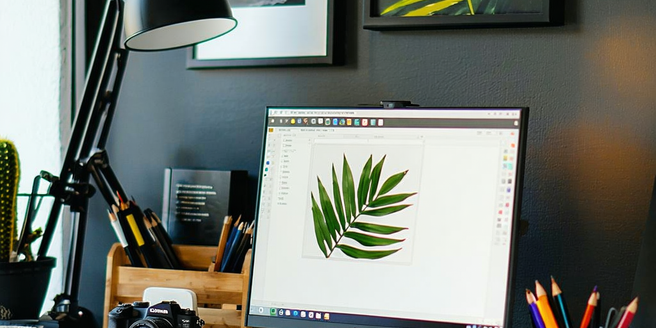
Revolutionizing Design: The Power of New Tools
In recent years, design tools have significantly evolved, empowering designers to bring their visions to life with increased efficiency and creativity. As new free design software emerges, traditional limitations dissolve, allowing designers to experiment without financial constraints. These tools provide essential features that rival their paid counterparts, fostering innovation and creativity. The democratization of design technology enables designers from all backgrounds to access top-tier functionalities, breaking down barriers to entry. This revolution isn’t just about technology; it’s also about creating new experiences and expanding possibilities. The power of these tools lies in their ability to keep pace with professional demands while also offering an entryway for beginners. As designers adapt to these advancements, the entire field advances, reshaping the industry with each new iteration.
Exploring the Latest Innovations in Free Design Software
The design software landscape is continually evolving, marked by groundbreaking innovations that redefine creative expression. Emerging free software solutions now boast cutting-edge features comparable to those in expensive programs. These advancements include AI-assisted tools that streamline workflow, cloud-based platforms for collaboration, and intuitive interfaces designed for user-friendliness. This evolution allows designers to explore novel techniques while remaining budget-conscious. The influence of these innovations extends beyond individual projects, promoting collaboration and sharing within design communities. As open-source platforms gain traction, they invite designers to contribute and improve the software, fostering an ecosystem of continual improvement. By integrating these latest technologies, free design software not only levels the playing field but also inspires new forms of artistic expression, shaping the future of design.
Top Free Software Picks for Graphic Designers
Navigating the vast array of design tools available today can be overwhelming, especially for those on a budget. However, many free software options provide robust solutions for graphic designers seeking quality without cost. Some top picks include GIMP, known for its comprehensive photo editing tools; Inkscape, favored for vector graphics; and Krita, celebrated for its versatility in digital painting. These applications offer features comparable to paid software, supporting a variety of design needs from print to digital media. Each tool has a dedicated community that shares tips, tutorials, and resources, enhancing user experience. By integrating these tools into their workflow, designers can achieve professional results without a significant financial investment. As the design industry increasingly leans towards cost-effective solutions, these free software picks prove invaluable.
Comparing Features: Free vs. Paid Design Software
When deciding between free and paid design software, understanding the differences in features and functionality is crucial. Paid options often come with advanced tools and premium support, but free software has made significant strides, offering robust alternatives that cater to most design needs. Features such as layer management, extensive brush libraries, and vector editing are now commonplace in free programs. The choice between free and paid often depends on the specific requirements of a project and the designer’s budget. While paid software may include exclusive features and updates, free software provides the freedom to experiment without commitment. This freedom is particularly beneficial for freelancers or small teams looking to maximize their resources. By carefully weighing feature offerings, designers can select the software that best aligns with their creative objectives and financial circumstances.
How to Choose the Best Free Software for Your Needs
Selecting the right free design software involves evaluating your specific needs and understanding what each tool offers. Start by identifying the key features necessary for your work, such as vector editing, photo manipulation, or digital drawing capabilities. Research various options and compare their functionalities, user interfaces, and compatibility with your existing systems. Community support and available resources, like tutorials and forums, can also influence your decision, as they are crucial for troubleshooting and skill development. Ultimately, the best software should align with your design style and project requirements while offering room for growth. Testing a few different platforms on smaller projects can provide insight into which is the best fit. Remember, the most important aspect is how effectively the tool can help bring your creative visions to life.
Upgrading Your Workflow with Free Design Tools
Incorporating free design software into your workflow can lead to significant enhancements in creativity and productivity. Modern free tools offer features that support various aspects of the design process, from initial concept sketching to final render. To maximize these benefits, assess your current workflow and identify areas for improvement or streamlining. Adopting software that integrates well with existing tools and facilitates seamless transitions between tasks is crucial. Additionally, leverage community-driven resources for updates and plugins that can tailor the software to your needs. As free software continues to evolve, it increasingly supports more complex projects, making it a viable choice for both individual designers and collaborative teams. By upgrading your workflow, not only do you keep pace with technological advancements, but you also empower yourself to explore new creative horizons.
Success Stories: Designers Leverage Free Software
Across the creative industry, numerous designers have successfully harnessed free software to produce stunning work that rivals projects made with costly counterparts. Stories of individuals and teams thriving without the financial burden of expensive tools are increasingly common. These success stories underscore the effectiveness and viability of free design software in delivering professional results. Designers have utilized programs such as GIMP and Blender to create high-impact visual content, from marketing materials to digital artwork. The collaborative nature of free software communities has also contributed to these successes, offering support and inspiration. By embracing these tools, designers not only demonstrate their adaptability but also inspire others to explore budget-friendly solutions. The achievements made using free software not only validate its practicality but also pave the way for future innovation.
Maximizing Creativity Without Breaking the Bank
For designers, the ability to push creative boundaries without financial constraints is a powerful advantage. Free design software offers a world of possibilities, removing barriers to innovation and exploration. With access to high-quality tools, designers can experiment with new techniques and mediums, enriching their creative repertoire. This freedom to explore is further enhanced by the supportive communities and resources available for these software options, providing guidance, collaboration, and inspiration. The cost savings associated with free tools mean more budget for other creative investments, such as hardware upgrades or professional development. As more designers embrace these opportunities, the landscape of digital creation evolves, driven by unrestricted ingenuity. By maximizing creativity with these resources, designers can produce exceptional work without financial limitations, all while contributing to a more inclusive creative industry.
The Future of Design: Trends in Free Software Development
The trajectory of design software development is increasingly leaning towards free and open-source options, spurred by technological advancements and a growing demand for accessible tools. Trends such as AI integration, real-time collaboration, and enhanced user interfaces are becoming standard features in new software releases. These innovations are propelling design forward, ensuring that creators have access to sophisticated tools regardless of their budget. As these trends continue, the gap between free and paid offerings narrows, with free software often pioneering new features before they appear in commercial applications. This shift is reflective of a broader movement towards democratizing technology, making high-quality design tools available to all. As more designers and developers contribute to open-source projects, the future of design software promises ever-increasing capabilities, empowering the creative process for individuals and businesses alike.
Community-Driven: How Open-Source Software Empowers Designers
Open-source design software represents a powerful movement where community collaboration leads to continual improvement and innovation. These tools empower designers by offering customizable platforms suited to diverse needs, with updates and enhancements driven by user feedback. One of the key strengths of open-source software is the collective expertise that contributes to its development, fostering a sense of ownership and shared progress. Designers benefit from the flexibility to alter and adapt tools for specific personal or project-based requirements, promoting a more tailored approach to design. This community-centric model also encourages knowledge exchange, fostering an environment where skills and creativity can thrive. As a result, open-source design software remains at the forefront of technological and creative advancements, providing an inclusive space for innovation that empowers designers across the globe.