Voice Recognition Tools
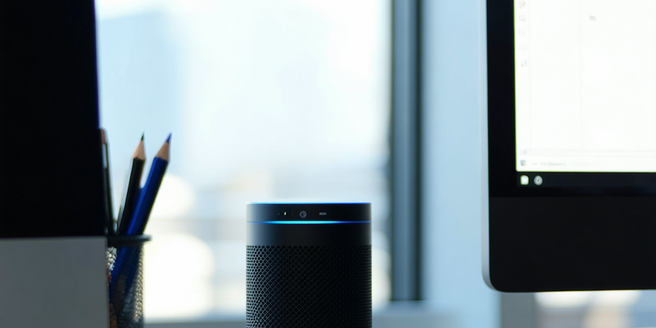
Introduction to Voice Recognition Technology
Voice recognition technology has transformed how we interact with devices, enabling seamless communication through spoken language. This technology uses algorithms to convert spoken words into text. It powers applications from voice-activated assistants to transcription services, making it integral in our digital lives. The evolution of these systems from rudimentary models to sophisticated, AI-driven platforms symbolizes technological advancement. Historically, voice recognition struggled with accuracy issues due to varying accents and environments. However, advancements in machine learning have significantly improved precision. What was once considered a futuristic concept is now a commonplace feature enhancing user experiences across numerous applications. Understanding the roots and development of voice recognition technology provides valuable insight into its current capabilities and future potential.
How Voice Recognition Works
Voice recognition systems function by breaking down audio inputs into digital signals. Initially, the system captures speech through a microphone, transforming sound waves into a digital format. This data is then analyzed using algorithms that identify specific patterns and phonemes, the smallest units of sound. These patterns are matched against vast language databases to form recognizable words and phrases. The process involves several steps, including feature extraction and acoustic modeling, which distinguish one voice command from another. Advanced systems employ deep learning models to adapt to individual speakers’ nuances, enhancing accuracy. Despite technological leaps, the complexity of human language remains a challenge; accents, dialects, and speech abnormalities can affect performance. Continuous research aims to refine these models, ensuring greater accessibility and reliability in diverse use cases.
Benefits of Using Voice Recognition Tools
Voice recognition tools offer numerous advantages that make them a valuable asset in various domains. They enhance productivity by facilitating hands-free operation, allowing users to multitask effectively, whether navigating devices or composing text. The accessibility aspect is also compelling, as these tools provide an interface for individuals with disabilities, breaking down barriers in communication and technology usage. Moreover, voice recognition fosters a more natural interaction with technology, mimicking human conversation, which can lead to more engaging user experiences. Businesses leverage these tools to improve customer service, streamline operations, and gather data through voice analytics. As voice technology continues to evolve, its integration into smart home systems, vehicles, and mobile applications demonstrates its versatility and growing relevance in daily life.
Top Voice Recognition Tools of 2025
The year 2025 has seen advancements in voice recognition tools that have expanded their utility and efficiency. Major players in the industry, such as Google Assistant, Amazon Alexa, and Apple Siri, continue to enhance their systems with improved AI integration, offering more accurate and context-aware responses. Newcomers like Hound and Mycroft are making strides with unique features that appeal to privacy-conscious consumers. These tools now incorporate multilingual support and specialized jargon understanding, catering to global and professional audiences. Enhanced security measures, such as biometric voice recognition, ensure that voice commands are secure from unauthorized access. As developers continue to innovate, voice recognition tools are becoming indispensable across industries, from healthcare to automotive, exemplifying their potential in transforming future technological interactions.
Comparison of Leading Voice Recognition Software
When comparing leading voice recognition software, key factors to consider include accuracy, speed, integration capabilities, and user experience. Google Assistant and Amazon Alexa are renowned for their extensive database and machine learning capabilities, providing seamless interaction and highly accurate responses. In contrast, Apple’s Siri excels in ecosystem integration, offering a smooth user experience within its device range. Dragon NaturallySpeaking by Nuance is a preferred choice for professional dictation due to its precision and customization features. Open-source options like Mycroft provide flexibility and enhanced privacy-controls, appealing to tech-savvy users. While each software has distinct strengths, the choice largely depends on specific user requirements concerning platform compatibility, feature set, and privacy concerns. As voice technology evolves, these platforms continue to improve, offering increasingly sophisticated solutions.
Voice Recognition for Accessibility
Voice recognition technology is revolutionizing accessibility by providing individuals with disabilities the ability to interact more easily with technology. These tools enable voice-activated commands, reducing the need for physical interaction with devices and empowering users with limited mobility. Speech-to-text capabilities facilitate communication for those with hearing impairments, while voice commands simplify everyday tasks for individuals with visual impairments. Companies are continually enhancing these systems to recognize diverse accents and speech patterns, ensuring inclusivity. Additionally, voice recognition applications in assistive technologies contribute significantly to independence, enabling users to control smart home devices and access information seamlessly. The ongoing development in this field highlights the essential role voice recognition plays in creating a more inclusive digital landscape.
Integrating Voice Recognition in Daily Life
Integrating voice recognition into daily life has significantly transformed how we interact with technology, providing convenience and efficiency in routine activities. Smart assistants like Amazon Alexa and Google Assistant have become household staples, helping users manage schedules, control smart home devices, and access entertainment hands-free. In professional environments, voice commands streamline workflows, from dictation to setting reminders, enhancing productivity. Voice recognition technology is on the cusp of revolutionizing the way companies approach customer service and support. Even in vehicles, voice technology improves driving safety by allowing hands-free navigation and communication. However, successful integration requires addressing concerns such as privacy and accuracy. As technologies advance, the compatibility and reliability of voice recognition systems continue to improve, leading to broader adoption and deeper integration into the fabric of everyday life.
Voice Recognition Challenges and Limitations
Despite its widespread adoption, voice recognition technology faces several challenges and limitations. One significant issue is accuracy, as these systems must distinguish spoken commands amidst background noise and variable acoustic environments. Accents, dialects, and speech impediments also pose hurdles, often leading to misinterpretation. Privacy and security concerns are prevalent, as voice data can be susceptible to breaches. Users may hesitate to engage with these tools due to potential data misuse or unauthorized access. There are also ethical considerations surrounding surveillance and consent in voice-activated devices. Addressing these challenges requires ongoing research and development focused on refining recognition algorithms, enhancing data encryption, and ensuring compliance with privacy regulations. Continued advancements will help mitigate these issues, making voice recognition more reliable and trustworthy.
Future Trends in Voice Recognition Technology
The future of voice recognition technology is poised for substantial growth, driven by advances in AI and machine learning. One key trend is the integration of natural language understanding, which will enable systems to comprehend context and deliver more accurate responses. The expansion of multilingual capabilities will cater to a global audience, breaking down language barriers and enhancing user interaction. Enhanced personalization through machine learning will allow voice assistants to better understand individual user preferences, providing customized experiences. The incorporation of voice biometrics for security is also on the rise, offering more secure authentication methods. As these technologies continue to develop, they will increasingly permeate various sectors, from healthcare to automotive, showcasing their potential to revolutionize how we interact with machines.
Conclusion: Choosing the Right Tool for You
In conclusion, selecting the right voice recognition tool depends on your specific needs and preferences. Consider what you value most in a tool, whether it’s accuracy, ease of use, privacy, or integration capabilities. For some, a tool that integrates seamlessly with existing tech ecosystems like Apple or Google is crucial, while others might prioritize privacy-focused options such as open-source platforms. Assess the unique features offered, such as multilingual support or specialized voice commands, which can enhance user experience. Remember that the best tool will align with your lifestyle and technological requirements, ensuring that you can harness the full potential of voice recognition. As technology evolves, staying informed about the latest advancements will help you make a decision that fits your personal and professional needs.