Tracking Metrics For Giveaway Performance
Understanding the Importance of Metrics
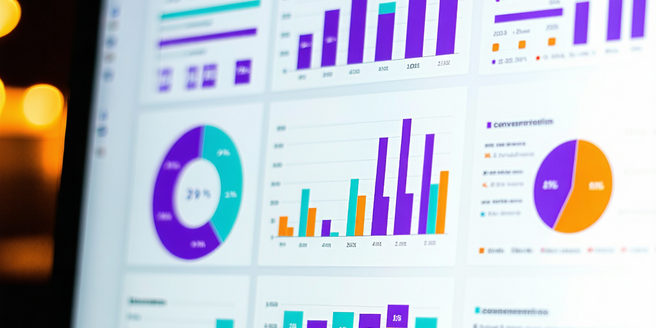
Understanding metrics is crucial for assessing the effectiveness of marketing strategies, especially in giveaways. Metrics provide a quantitative basis that helps marketers gauge interest, engagement, and convertibility of their target audience. Without tracking these key figures, it is difficult to determine the success of a campaign or identify areas that need improvement. Metrics such as participation rate, social media shares, and conversion rates offer valuable insights. They enable companies to tailor their campaigns to better meet their objectives and enhance customer satisfaction. By systematically analyzing this data, businesses can make informed decisions that contribute to growth and profitability. Establishing an effective metric-tracking system is therefore an essential practice for any business looking to maximize the return on investment from their promotional efforts.
Identifying Key Performance Indicators
When considering the success of a giveaway campaign, identifying the right key performance indicators (KPIs) is essential. KPIs serve as benchmarks that reflect the success of your promotional efforts against defined goals. In the context of giveaways, relevant KPIs might include participation numbers, lead generation rate, brand awareness uplift, and conversion rate. Through identifying these indicators, businesses can focus their tracking efforts on what truly matters and eliminate noise from irrelevant data. Correctly chosen KPIs will provide a clear picture of campaign performance and help to highlight areas requiring adjustments. An effective strategy requires a thoughtful examination of these indicators before, during, and after the giveaway event. This enables a comprehensive understanding of outcomes, guides strategic decision-making, and improves future initiatives.
Tools for Measuring Giveaway Success
Utilizing the proper tools is critical to accurately measure the success of giveaway campaigns. There are numerous digital applications and software available that facilitate the collection and analysis of crucial data. For instance, Google Analytics can track traffic sources and user interactions, while platforms like Rafflecopter and Gleam offer specialized solutions for managing giveaways. Such tools often come equipped with features that allow real-time reporting and integration with other marketing software, streamlining the analysis process. Additionally, social media analytics tools provide insights into the reach and engagement levels of your campaign posts. By leveraging these technologies, businesses can gather valuable data effortlessly and derive actionable insights to improve their giveaway strategies and achieve better results.
Analyzing Data to Optimize Results
The ability to analyze data effectively is paramount when it comes to optimizing giveaway results. This involves dissecting collected data to uncover patterns, trends, and anomalies that inform strategic adjustments. Techniques such as A/B testing, cohort analysis, and funnel tracking allow marketers to understand user behavior and the impact of different variables on campaign success. By examining metrics like conversion rates, participant demographics, and engagement levels, businesses can hone in on what works and what doesn’t. This process not only aids in refining current strategies but also enhances future campaign planning by providing historical insights. Ultimately, data analysis yields the knowledge necessary to make informed decisions that optimize resource allocation and drive meaningful results.
Adjusting Strategies Based on Findings
Once data from a giveaway has been collected and analyzed, the next step is to apply these insights by adjusting strategies. Continuous improvement is vital for sustained success and involves tweaking elements of the giveaway to align with findings. For example, if analysis shows that engagement was highest at a particular time, future campaigns can schedule posts accordingly. Alternatively, if certain demographics showed less interest, messaging can be adapted to better address those segments. These adjustments are not one-time changes but part of an ongoing process that requires continuous monitoring and refinement. The ability to adapt swiftly to findings ensures that promotions remain effective and resonate with the target audience, leading to better outcomes and increased brand loyalty.